

For video editing, a microphone is mostly about voiceover and narration — recording clear, professional-sounding voice tracks for your videos. That makes studio condenser microphones the natural choice: their cardioid capsules capture detailed, natural voice far better than a headset or built-in mic, lifting your production quality noticeably.
Most of these are XLR mics that need an audio interface, which also gives you a cleaner signal and room to grow. Condensers are sensitive, so a reasonably quiet, treated space helps a lot. Below we rank six microphones for voiceover by clarity, value, and noise performance. For streaming, see our streaming mic guide and the peripherals hub.
Top 3 Best Voiceover Microphones at a Glance
Best Microphones for Video Editing in 2027
| Microphone | Best For | Key Spec | Rating | Price |
|---|---|---|---|---|
| Audio-Technica AT2020 | Best Overall for Voiceover | XLR cardioid condenser | 4.7★ (15134) | Check Price |
| Audio-Technica AT2035 | Best Upgrade | XLR large-diaphragm condenser | 4.7★ (3088) | Check Price |
| Rode NT1 (5th Gen) | Best Low-Noise | XLR/USB condenser | 4.6★ (2502) | Check Price |
| Mackie EM Condenser | Best Budget Condenser | XLR condenser | 4.6★ (506) | Check Price |
| Stellar X3 Condenser | Best Premium | XLR large-diaphragm condenser | 4.6★ (384) | Check Price |
| AKG P120 | Best Value Studio | XLR cardioid condenser | 4.6★ (3621) | Check Price |
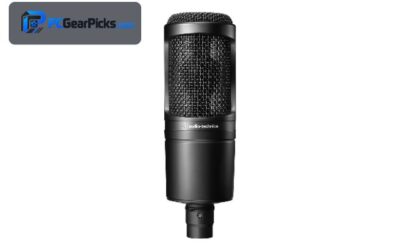
1. Audio-Technica AT2020 – Best Overall for Voiceover

- ✓ Industry-standard clarity for VO
- ✓ Detailed, natural voice
- ✓ Proven with 15k+ ratings
- ✗ Needs an audio interface
- ✗ Condenser wants a quiet room
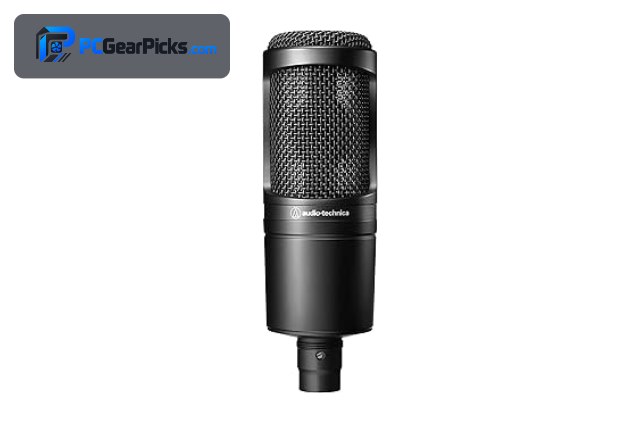
For voiceover and narration in video editing, the Audio-Technica AT2020 is the best overall choice. Its cardioid condenser captures clear, detailed, natural-sounding voice — exactly what you want for narration tracks — and it’s a studio standard with over fifteen thousand ratings around $119.
It needs an audio interface and a reasonably quiet room, as condensers do, but for editors recording professional-sounding voiceovers on a budget, it’s the classic, dependable pick.
Best for: Editors recording clear voiceovers and narration
May not fit: Those wanting plug-and-play USB or noise rejection
2. Audio-Technica AT2035 – Best Upgrade

- ✓ Larger diaphragm for a fuller voice
- ✓ Great detail for narration
- ✓ Strong value step-up
- ✗ Needs an interface
- ✗ Condenser room sensitivity
The Audio-Technica AT2035 is the natural upgrade from the AT2020, with a larger diaphragm that gives voiceovers a richer, fuller sound and more detail — ideal for narration that needs to sound polished around $159.
Like all XLR condensers it needs an interface and a quiet space, but for editors who want a noticeable step up in voice quality without a big jump in price, it’s an excellent value.
Best for: Editors wanting a fuller, richer voiceover
May not fit: Those needing USB simplicity or room-noise rejection
3. Rode NT1 (5th Gen) – Best Low-Noise

- ✓ Exceptionally low self-noise
- ✓ Clean, transparent voice
- ✓ USB and XLR connectivity
- ✗ Condenser room sensitivity
- ✗ Premium price
The Rode NT1 is famous for its exceptionally low self-noise, which means ultra-clean, transparent voiceovers with no hiss — a real benefit for narration where clarity matters. This generation adds USB alongside XLR for flexibility around $139.
As a sensitive condenser it wants a treated room, and it’s priced at the premium end, but for editors who want the cleanest possible voice capture, it’s a superb choice.
Best for: Editors wanting the cleanest, lowest-noise voiceovers
May not fit: Those in noisy rooms or wanting a dynamic mic
4. Mackie EM Condenser – Best Budget Condenser

- ✓ Studio condenser sound cheaply
- ✓ Good for narration on a budget
- ✓ Solid value
- ✗ Needs an interface
- ✗ Entry-level refinement
The Mackie EM-series condenser brings large-diaphragm studio sound to voiceover work at a budget price around $50, making it a great entry point for editors who want better narration without spending much.
It needs an audio interface and isn’t as refined as premium condensers, but for clear, affordable voiceover capture to lift your videos above a headset mic, it’s a smart buy.
Best for: Editors wanting affordable studio-condenser voiceovers
May not fit: Those wanting premium refinement or USB
5. Stellar X3 Condenser – Best Premium

- ✓ Rich, professional voice
- ✓ Great detail for narration
- ✓ Strong value in its class
- ✗ Needs an interface and quiet room
- ✗ Condenser sensitivity
The Stellar X3 is a large-diaphragm XLR condenser that delivers rich, professional-sounding voiceovers for around $245, a strong value for editors who want their narration to sound genuinely studio-grade.
It needs an interface and a treated room to shine, but for polished, professional voice capture without top-tier pricing, it’s an excellent premium pick.
Best for: Editors wanting professional studio voiceovers
May not fit: Those needing plug-and-play or noise rejection
6. AKG P120 – Best Value Studio

- ✓ Trusted AKG sound
- ✓ Versatile for voice and instruments
- ✓ Great value
- ✗ Needs an interface
- ✗ Condenser room sensitivity
The AKG P120 is an affordable, versatile XLR condenser from a trusted audio brand, capturing clear voiceovers — and instruments or foley if you need them — for around $79. It’s a dependable all-rounder for editors on a budget.
It needs an interface and a quiet room like other condensers, but for a well-known brand’s studio condenser at a friendly price, it’s a solid value choice for narration.
Best for: Editors wanting a trusted-brand condenser affordably
May not fit: Those wanting USB simplicity or noise rejection
How to Choose a Microphone for Video Editing
Condensers for detailed voiceover
Studio condensers like the AT2020, AT2035, and Rode NT1 capture detailed, natural voice that sounds professional in narration — a clear step up from a headset mic. For recorded voiceover (rather than live chat), condensers are the standard choice.
Self-noise and clarity
Lower self-noise means cleaner recordings with less hiss, which matters for quiet narration. The Rode NT1 is famous for exceptionally low self-noise, making it ideal when you want pristine, editable voice tracks.
XLR and an interface
Most of these are XLR mics that need an audio interface, which gives a cleaner signal and a pro upgrade path. Budget for an interface alongside the mic — it’s part of a proper voiceover setup and improves results.
Treat your room for voiceover
Condensers pick up room echo and noise, which is distracting in narration. Record in a quiet space with soft furnishings, or use a reflection filter, to get clean, professional voice tracks that are easy to edit.
Matching mic to budget
The Mackie EM and AKG P120 deliver studio sound affordably; the AT2020 and AT2035 are proven mid-range standards; and the Stellar X3 and Rode NT1 are premium picks. Spend based on how central voiceover is to your videos.
Frequently Asked Questions
What is the best microphone for video editing in 2027?
The Audio-Technica AT2020 is our overall pick for voiceover — a studio-standard condenser with clear, detailed, natural voice around $119. The AT2035 is the value upgrade, and the Rode NT1 is best for the lowest self-noise and cleanest recordings.
What kind of microphone is best for voiceover?
A studio condenser microphone is the standard for voiceover and narration — it captures detailed, natural voice far better than a headset or built-in mic. The AT2020, AT2035, and Rode NT1 are all excellent condensers for recorded voice tracks.
Do I need an audio interface for a voiceover mic?
For the XLR condensers here, yes — the AT2020, AT2035, Stellar X3, and others need an interface, which also gives a cleaner signal. The Rode NT1 offers USB as well as XLR if you want to start without an interface.
Why does self-noise matter for narration?
Lower self-noise means less background hiss in your recordings, which is especially noticeable in quiet narration. The Rode NT1’s famously low self-noise makes it ideal when you want pristine, clean voice tracks that are easy to edit and mix.
Can I use a gaming mic for voiceover?
A good USB gaming mic can work for casual voiceover, but dedicated studio condensers like the AT2020 capture more detail and sound more professional for narration. If voice quality matters to your videos, a condenser and interface are worth it.
Final Verdict
For video editing and voiceover, studio condensers deliver the clear, professional narration your videos deserve. The Audio-Technica AT2020 is the best all-rounder, the AT2035 is the value upgrade, and the Rode NT1 is the pick for the cleanest, lowest-noise recordings. Budget for an audio interface and a quiet room to get the most from any of them. For live streaming audio, see our streaming mic guide.
No reviews yet. Be the first to share your experience!